Safety doesn’t start with policy alone—it starts with conversation. In high-risk industries like construction, manufacturing, and logistics, daily communication about hazards is non-negotiable. That’s where free downloadable toolbox talks come in. Unlike generic safety posters or annual training videos, these short, targeted discussions address real-time risks and reinforce safe behaviors on the ground. And the best part? You don’t need a corporate budget to access them.
Many supervisors struggle with creating engaging, compliant safety talks from scratch. Others rely on outdated PDFs or word-of-mouth alerts that lack structure. The result? Inconsistent messaging, missed hazards, and weakened safety culture. But with ready-to-use, downloadable toolbox talk templates, teams can run effective 5–10 minute sessions without reinventing the wheel.
Let’s break down how to find, use, and implement the most valuable free resources—without falling into common traps.
Why Free Toolbox Talks Matter More Than You Think
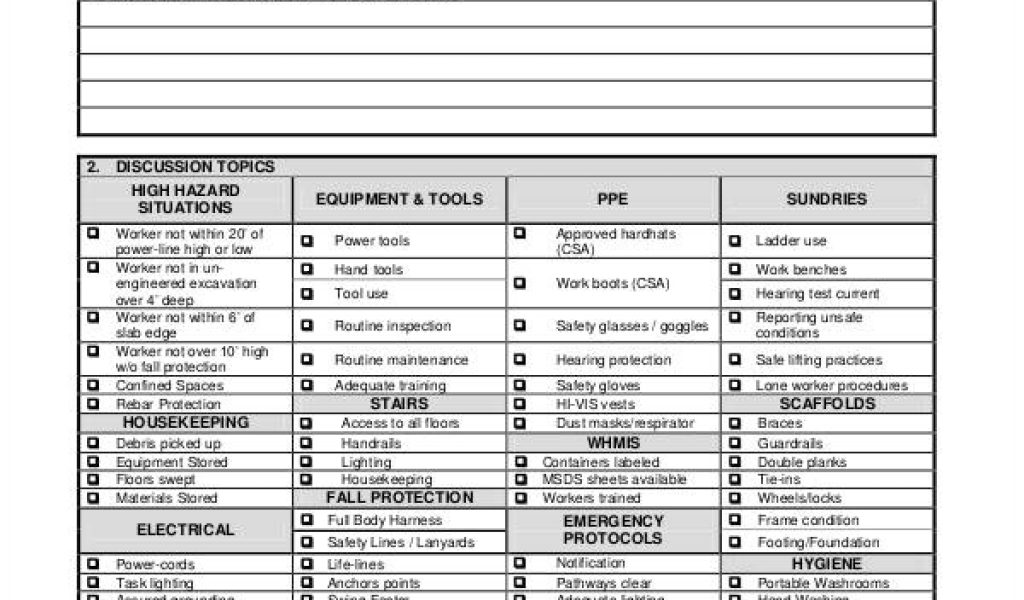
Toolbox talks—also called tailgate meetings or safety moments—are brief, informal safety discussions held at the job site. They’re designed to raise awareness about specific hazards, reinforce safe work practices, and encourage team participation. When done right, they reduce incidents, improve compliance, and create accountability.
But creating one from scratch every day isn’t realistic. That’s why free downloadable toolbox talks are so valuable. They give supervisors:
- Time savings – No need to research or format each topic
- Regulatory alignment – Many follow OSHA, ANSI, or industry-specific standards
- Consistency – Uniform messaging across crews and shifts
- Engagement tools – Built-in discussion questions, visuals, and sign-off sheets
The key is finding high-quality, truly free resources—not watermarked samples or “free” trials that require credit cards.
Where to Find Reliable Free Downloadable Toolbox Talks
Not all free resources are created equal. Many websites offer “free” talks but hide them behind email gates, incomplete formats, or poor design. The best sources combine accessibility with professional structure.
Here are five trustworthy platforms offering genuinely free downloadable toolbox talks:
| Resource | Topics Covered | Format | Key Strength | Notes |
|---|---|---|---|---|
| SafetyInfo.com | Fall protection, PPE, electrical safety | PDF, editable fields | Industry-vetted content | No registration needed for most downloads |
| Creative Safety Supply | 5S, ergonomics, forklift safety | PDF, PowerPoint | Visual-heavy, easy to present | Email sign-up required |
| HSSE World | Confined space, lockout/tagout, scaffolding | PDF, multilingual | Technical depth | Over 200+ free topics |
| NASP (National Association of Safety Professionals) | Incident reporting, hazard communication | PDF, quiz included | Training-ready format | Free section updated monthly |
| WorkSafeBC | Winter safety, ladder use, hand tools | PDF, discussion guides | Real-world scenarios | Government-backed, regionally relevant |
These platforms stand out because they avoid the common pitfalls: fluff content, broken links, or overly promotional upsells. Instead, they provide structured, actionable talks that supervisors can use immediately.
How to Use Downloadable Toolbox Talks Effectively
Having access is only half the battle. The real impact comes from how you deliver them.
Too many teams treat toolbox talks like a checkbox activity—read a few lines, sign a sheet, move on. That defeats the purpose. Real safety improvement happens when workers engage, ask questions, and connect the topic to their actual work.
Follow this 4-step workflow:
- Select the Right Topic Weekly
- Match talks to current jobsite conditions. If crews are scaffolding, use a fall protection talk—not one on office ergonomics.
- Customize the Content
- Even the best template needs localization. Add site-specific details: “On this project, ladders must be tied off above the third rung.”
- Facilitate, Don’t Lecture
- Start with a question: “What near-misses have you seen with electrical cords this week?” Let workers lead parts of the discussion.
- Document & Follow Up
- Use the sign-in sheet from the download. Track recurring issues and revisit topics if incidents occur.
Common mistake: Using the same 10 talks on rotation. Workers notice. Rotate in new topics quarterly and revisit high-risk areas only when relevant.
What to Look for in a High-Quality Downloadable Talk
Not every free PDF is worth your time. Before downloading, scan for these features:
✅ Clear Learning Objectives – Should state what workers will know or do after the talk ✅ Discussion Prompts – Questions that spark conversation, not just facts ✅ Visual Aids – Diagrams, photos, or hazard maps improve retention ✅ Time Estimate – Ideal talks last 5–10 minutes; avoid 20-page documents ✅ Sign-Off Section – Space for names, dates, and supervisor signature ✅ Editable Format – PDFs with fillable fields or Word versions allow customization
Avoid downloads that are: - Text-dense with no breaks - Missing a facilitator guide - Promoting a specific product or service mid-talk - Lacking attribution or source information
Quality matters more than quantity. One well-run session per week beats five rushed ones.
Top 5 Templates You Should Download First
Start with the highest-risk, most frequent hazards. These five topics build a strong safety foundation and are widely available for free:
- Personal Protective Equipment (PPE)
- Covers selection, inspection, and proper use. Critical for onboarding and seasonal changes.
- Slip, Trip, and Fall Hazards
- Relevant across industries. Focuses on housekeeping, lighting, and footwear.
- Hand and Power Tool Safety
- Addresses common overconfidence—especially with experienced workers.
- Hazard Communication (HazCom)
- Explains labeling, SDS access, and chemical exposure risks. Required by OSHA.
- Emergency Response Procedures
- Reviews fire exits, first aid locations, and reporting chains. Often overlooked until it’s too late.
Each of these can be found in ready-to-use format on SafetyInfo.com or WorkSafeBC’s resource library. Download, print, and run within minutes.
The Hidden Risks of Free Safety Content
Free doesn’t always mean risk-free. Some downloadable toolbox talks carry subtle dangers:
- Outdated regulations – A 2018 lockout/tagout talk might miss recent OSHA updates
- Generic advice – “Always wear gloves” without specifying type or limitation
- Lack of legal review – Some third-party sites aren’t liable if their content causes misunderstanding
To mitigate risk: - Cross-check key points with OSHA or your safety officer - Avoid using talks from unknown foreign sources (standards vary) - Prefer resources from government agencies, safety associations, or established suppliers
When in doubt, edit the talk to include your company’s safety policies and disclaimers.
Make It a Habit, Not a Chore
The most effective safety programs don’t rely on inspiration—they rely on systems. Treat toolbox talks like any other operational process.
Try this: Schedule talks every Monday at 7:15 AM. Assign rotating leads among crew leads. Keep a binder of downloaded templates organized by category. Track attendance digitally or on paper.
Over time, workers start expecting the talk. They bring up concerns. They point out hazards before they cause harm. That’s when safety shifts from compliance to culture.
Don’t wait for an incident to start. Download three solid talks today. Run your first session tomorrow. Refine as you go.
Free downloadable toolbox talks aren’t just convenient—they’re a force multiplier for safety. Use them wisely, and you’ll see fewer close calls, stronger compliance, and more engaged teams. Start small, stay consistent, and keep the conversation going.
FAQ
Are free toolbox talks OSHA-compliant? Many are based on OSHA standards, but always verify content against current regulations. Use them as guides, not legal substitutes.
Can I edit downloadable toolbox talks? Yes—editable PDFs or Word versions allow customization for your site, equipment, and procedures.
How often should toolbox talks be held? Weekly is ideal. Daily is common in high-risk environments. Monthly is the minimum for maintaining awareness.
Who should lead a toolbox talk? Supervisors, safety officers, or trained crew leads. Rotate to build ownership across the team.
Do toolbox talks need to be documented? Yes. Keep signed attendance sheets for audits and incident investigations.
Where can I get toolbox talks in Spanish? HSSE World and OSHA’s official site offer free bilingual or Spanish-only safety talks.
Can I use toolbox talks for new employee orientation? Absolutely. They’re effective for onboarding, especially when paired with site-specific examples.
FAQ
What should you look for in Free Downloadable Toolbox Talks for Workplace Safety? Focus on relevance, practical value, and how well the solution matches real user intent.
Is Free Downloadable Toolbox Talks for Workplace Safety suitable for beginners? That depends on the workflow, but a clear step-by-step approach usually makes it easier to start.
How do you compare options around Free Downloadable Toolbox Talks for Workplace Safety? Compare features, trust signals, limitations, pricing, and ease of implementation.
What mistakes should you avoid? Avoid generic choices, weak validation, and decisions based only on marketing claims.
What is the next best step? Shortlist the most relevant options, validate them quickly, and refine from real-world results.


:max_bytes(150000):strip_icc():focal(749x0:751x2)/king-charles-III-state-visit-of-the-president-of-the-republic-of-south-africa-112222-4-806910a78d3444cf87ef8dcb828390e0.jpg)