:max_bytes(150000):strip_icc():focal(749x0:751x2)/king-charles-III-state-visit-of-the-president-of-the-republic-of-south-africa-112222-4-806910a78d3444cf87ef8dcb828390e0.jpg)
When King Charles III stepped off the royal plane in Washington, D.C., his measured wave and ceremonial handshake weren’t just diplomatic gestures—they were echoes of a century-long tradition. The British monarchy’s visits to the United States have always been more than pageantry; they’re symbolic handshakes across oceans, balancing history, politics, and public image. And with each state visit, photographers have captured moments that reveal both the grandeur and the quiet humanity of royalty on American soil.
Now, as Charles III makes his first state visit to the U.S., a look back through the lens reveals how these moments have evolved—and what they’ve meant for Anglo-American relations.
The First Royal Footprint: King George VI and the 1939 Groundbreaker
Before Charles, before Elizabeth, even before Churchill’s wartime speeches, there was King George VI—the unlikely monarch thrust into duty after his brother’s abdication. His 1939 visit remains one of the most politically significant in royal history.
Photographs from that summer show the king and Queen Elizabeth (later the Queen Mother) laughing at a picnic in Hyde Park, New York, served by President Franklin D. Roosevelt. They capture a striking informality: the king wearing a fedora, the Queen in a floral dress, seated on a checkered blanket with hot dogs on paper plates. It was a carefully orchestrated image of relatability.
This wasn’t just a social call. Europe was on the brink of war. The visit aimed to strengthen ties with a neutral America and subtly sway public opinion toward supporting Britain. The photos—widely circulated in newspapers—helped humanize the British Crown in American homes.
The symbolism didn’t stop there. At the World’s Fair in New York, a photo shows the royal couple standing before the “World of Tomorrow” exhibit, a backdrop suggesting hope amid global uncertainty. The visit worked: when war broke out months later, American sentiment leaned favorably toward Britain.
Elizabeth II: A Reign Measured in Visits and Handshakes
No monarch visited the U.S. more than Queen Elizabeth II. Over seven decades, she made 26 trips—each one adapted to the era, each carefully staged, yet often revealing in its quiet details.
One of the most iconic images comes from her 1957 address to a joint session of Congress. The black-and-white photo captures her poised at the podium, backlit by the Capitol rotunda, speaking with calm authority. It was only her second U.S. visit, but already she was becoming a fixture in American political memory.
Later photos show her evolution as a diplomatic figure. In 1976, during the U.S. bicentennial, she toured Boston in a carriage, waving to crowds amidst Revolutionary War-era reenactors—a subtle nod to the irony of a British monarch celebrating American independence.
By the 2007 George W. Bush era, photos of the Queen toasting with chicken curry at the White House highlighted her adaptability. The meal was a callback to her visit with President Kennedy in 1961—where she first popularized the “working state dinner” format Charles III would later inherit.
But not all images were seamless. In 2010, a widely shared photo showed the Queen looking unamused during a windy arrival ceremony, her hat threatening to fly off as she gripped it with one hand. Social media lit up—not with criticism, but affection. The image humanized her, showing the physical toll of duty, and went viral as “the hat incident.”
These photos, compiled over time, reveal a monarch who mastered soft power: not by overshadowing, but by fitting in—sometimes with humor, always with precision.
Prince Charles Before the Crown: A Decades-Long U.S. Presence

Long before he was king, Charles visited the U.S. more than 30 times. His early trips in the 1970s were met with curiosity—sometimes skepticism. Photos from a 1975 visit to Texas show him awkwardly riding a mechanical bull at a rodeo, a promotional event for the British economy. The image circulated widely, framed as “the prince meets cowboy culture.”
But Charles was never just a tourist. His 1998 speech at the United Nations, captured in formal stills, positioned him as an environmental advocate—a role that foreshadowed his later work. By the 2010s, U.S. visits focused on climate change, mental health, and youth employment, often in partnership with American nonprofits.
Notably, photos from his 2021 trip with Prince William show a generational shift. At a climate event in New York, Charles stands beside his son and then-President Biden, the three men laughing over a shared moment. It’s a stark contrast to earlier images of a solitary prince trying to prove his relevance.
These pre-king photos form a narrative of preparation—of a man learning diplomacy not just through ceremony, but through cause-driven engagement.
The Charles III State Visit: A New Era in Frame
The 2023 state visit of King Charles III arrived at a fragile moment. Public fascination with the monarchy had waned post-Megxit and Harry’s tell-all memoir. In America, younger generations view the Crown with indifference or critique.
So the imagery from this visit carried extra weight.
Photographs from the arrival at Joint Base Andrews show a more subdued Charles—older, weathered, but composed. Unlike Elizabeth’s bold colors, he wore a darker, more somber suit. The first photo with President Biden at the White House steps emphasized continuity: handshakes, honors, the Marine Band playing “God Save the King.”
But the most telling images came off-script.
One photo, taken during a reception, shows the King leaning in to listen to a guest, his hand gently touching his ear—a subtle sign of his reported hearing difficulties. It’s not a moment of weakness, but of presence. Another, at a cultural gala, captures him smiling warmly at a Native American dancer, acknowledging the land’s original peoples in a way previous visits rarely did.
Then there’s the dinner. A widely shared image shows Charles and Camilla seated across from the Bidens, mid-laugh. The table setting—elegant but not gaudy—reflects a modernized monarchy. No gold platters, no excessive formality. The message: we’re still here, but we’ve evolved.
These photos aren’t just records—they’re strategic narratives. Each frame attempts to redefine the monarchy’s place in a democratic, diverse America.
What the Photos Reveal About Royal Diplomacy
Photographs of royal visits do more than document events—they shape perception. They answer unspoken questions: Can a hereditary monarch be relevant in a republic? Can tradition coexist with modern values?
The answer, as history shows, lies in adaptability.
Compare two photos: Elizabeth II in 1957, perfectly coiffed and regal before Congress, and Charles III in 2023, laughing at a diverse youth climate initiative. The first asserts authority through formality. The second builds connection through inclusion.
The most effective royal images in the U.S. have always balanced dignity with approachability. Think of Princess Diana dancing with John Travolta at the White House in 1985—an image of joy that softened the Crown’s image during a tense Cold War era. Or Prince William playing basketball with inner-city youth in 2014, sneakers laced tight, sweat on his brow.
These moments work because they feel authentic. They don’t erase the monarchy’s privilege—they contextualize it within American ideals of merit and engagement.
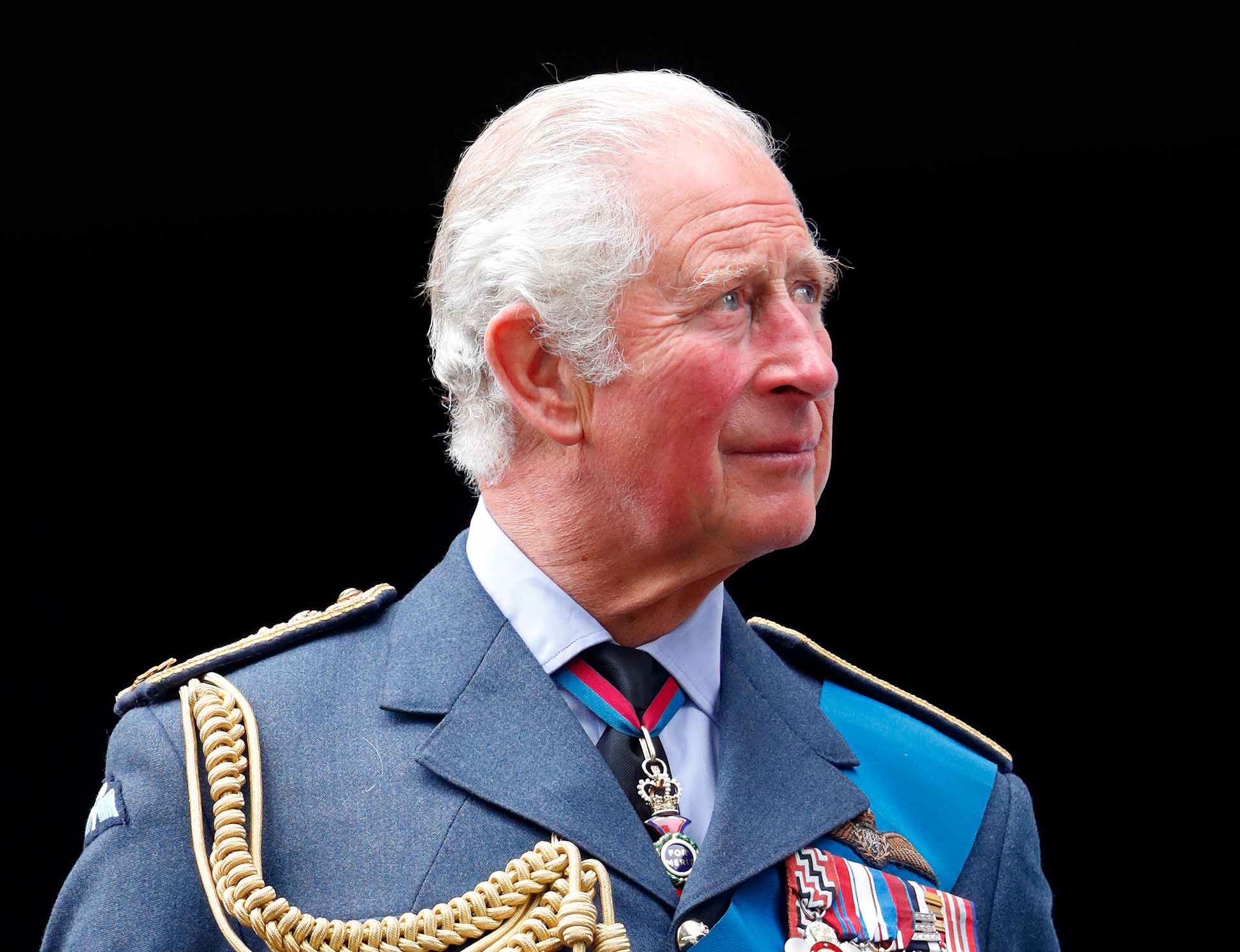
And when photos fail to achieve that balance—when royals appear stiff, detached, or tone-deaf—they backfire. A 2005 image of Charles walking through a New Orleans still reeling from Hurricane Katrina, looking visibly uncomfortable, was criticized as out of touch. Perception, in the age of instant media, is everything.
Behind the Lens: How Royal Photo Ops Are Chosen
Every photo from a royal visit is a calculated decision. The Royal Communications team works with U.S. hosts to map out moments that will resonate.
Key principles guide the planning:
- Symbolic Locations: Visits to Independence Hall, the Statue of Liberty, or civil rights landmarks frame the monarchy within American history.
- People Over Palaces: More shots now feature interactions with local communities than with political elites.
- Cause-Based Imagery: Environmental projects, veterans, and youth programs provide positive, issue-driven visuals.
- Cultural Exchange: Performing arts, food, and fashion moments highlight mutual appreciation.
For Charles III’s visit, planners avoided overt historical references to colonialism. Instead, they emphasized shared challenges: climate, democracy, youth engagement. The resulting photos reflect a monarchy trying to be useful, not just visible.
Even wardrobe is strategic. Camilla’s outfits during the 2023 trip included American designers—a subtle nod to transatlantic collaboration. Charles’ choice of a navy peacoat during a windy walk near the Potomac mirrored presidential style, signaling alignment.
These details aren’t accidental. They’re part of a visual language designed to transcend words.
The Future of Royal Images in America
As King Charles III ages, and Prince William prepares for his future role, the visual narrative of royal visits will keep shifting.
Expect fewer grand processions, more grassroots engagements. More photos of royals in hiking boots than top hats. More moments focused on global issues than ceremonial handshakes.
The challenge remains: staying relevant without overstaying. The U.S. public doesn’t owe the monarchy attention. Every photo must earn its place in the news cycle.
But history suggests there’s still space for the Crown in American consciousness—if the imagery feels genuine, timely, and reciprocal.
Charles III’s 2023 visit may not have sparked the frenzy of a Diana-era tour, but its quieter moments might endure longer. A king listening. A couple laughing. A hand extended not just in greeting, but in shared purpose.
That’s the new royal image: not above the people, but alongside them.
In reviewing a century of royal photos in the U.S., one truth stands out: the most powerful images aren’t the most glamorous. They’re the ones where the wall between monarchy and public briefly disappears. As Charles III continues his reign, those are the moments worth capturing.
FAQ What was the first British royal visit to the U.S.? King George VI and Queen Elizabeth visited in 1939, marking the first-ever trip by a reigning British monarch.
How many times did Queen Elizabeth II visit the U.S.? She made 26 official visits between 1951 and 2011, including state visits, UN speeches, and diplomatic tours.
Did Princess Diana visit the U.S. as part of official duties? Yes—Diana made multiple U.S. trips, including her famous 1985 White House visit where she danced with John Travolta.
Why are photos so important during royal visits? Images shape public perception, convey diplomatic messages, and humanize the monarchy in media-driven societies.
Has King Charles III visited the U.S. before becoming king? Yes—he made over 30 trips to the U.S. as Prince of Wales, focusing on environmental and youth initiatives.
What made the 1939 royal visit historically significant? It helped build American support for Britain before World War II, using media and public appearances to foster goodwill.
How do royal visits impact U.S.-UK relations? While symbolic, they reinforce diplomatic ties, cultural connections, and mutual cooperation on global issues.
FAQ
What should you look for in Royal Moments: British Monarchs in America Through Photos? Focus on relevance, practical value, and how well the solution matches real user intent.
Is Royal Moments: British Monarchs in America Through Photos suitable for beginners? That depends on the workflow, but a clear step-by-step approach usually makes it easier to start.
How do you compare options around Royal Moments: British Monarchs in America Through Photos? Compare features, trust signals, limitations, pricing, and ease of implementation.
What mistakes should you avoid? Avoid generic choices, weak validation, and decisions based only on marketing claims.
What is the next best step? Shortlist the most relevant options, validate them quickly, and refine from real-world results.